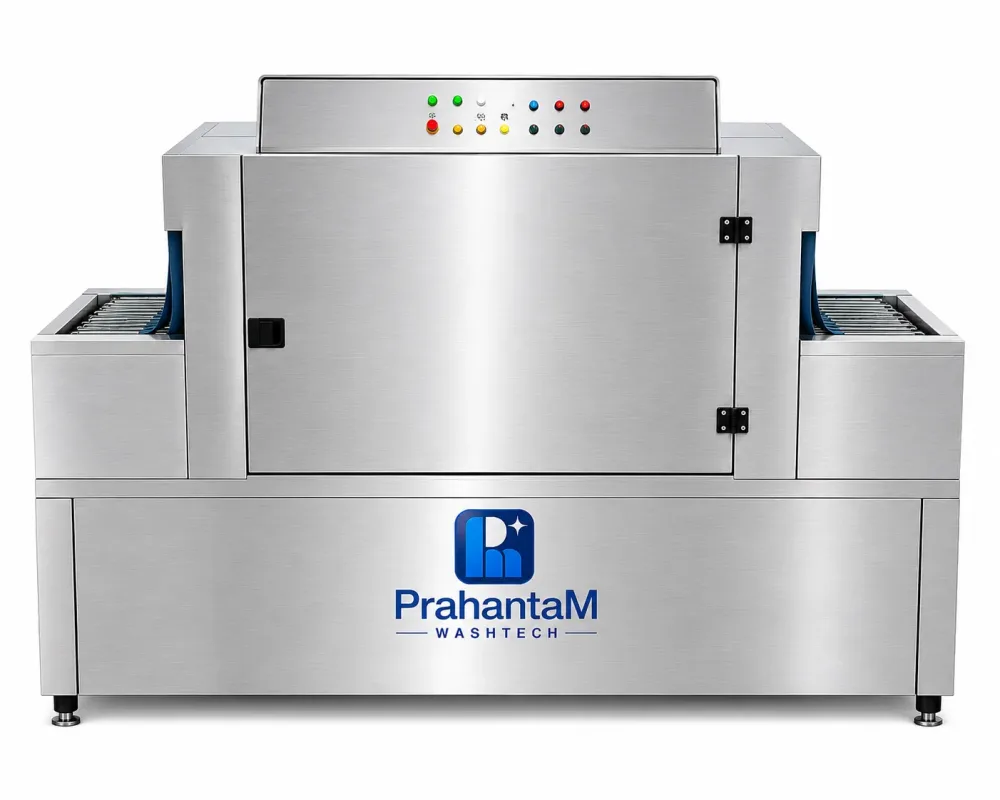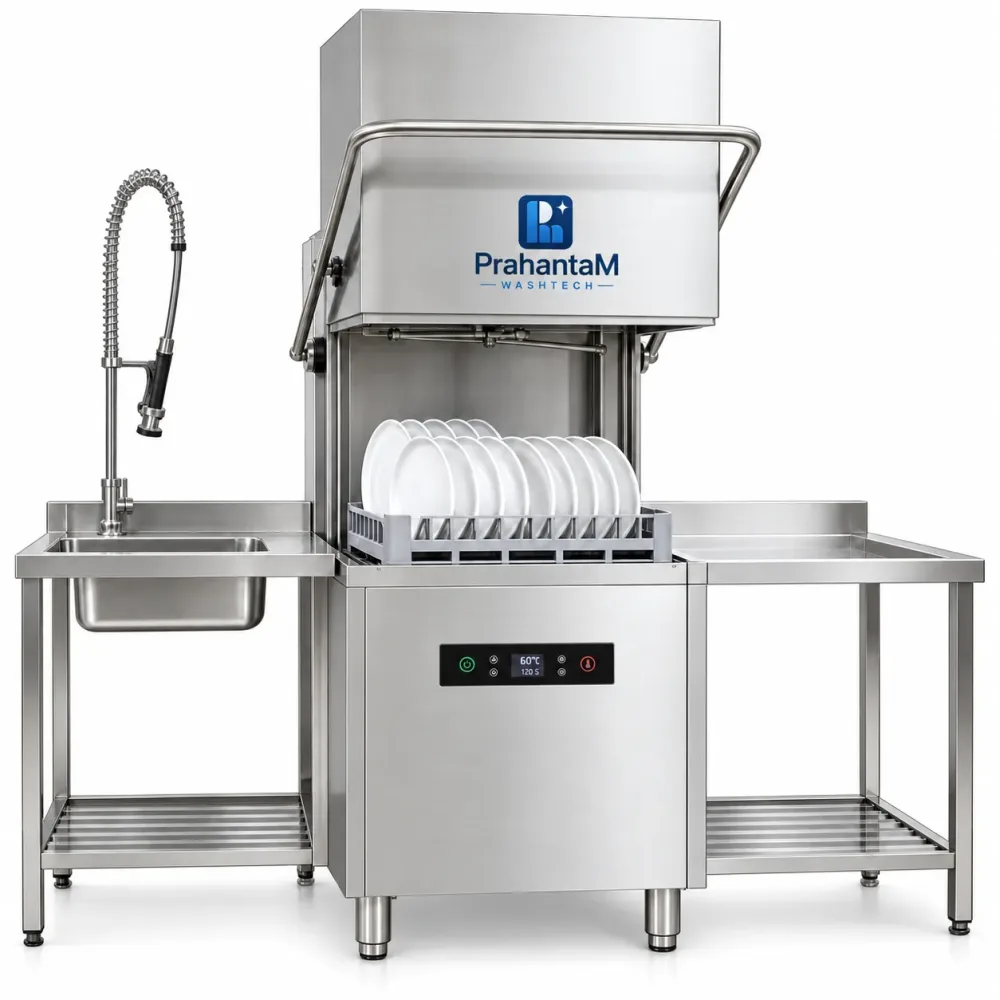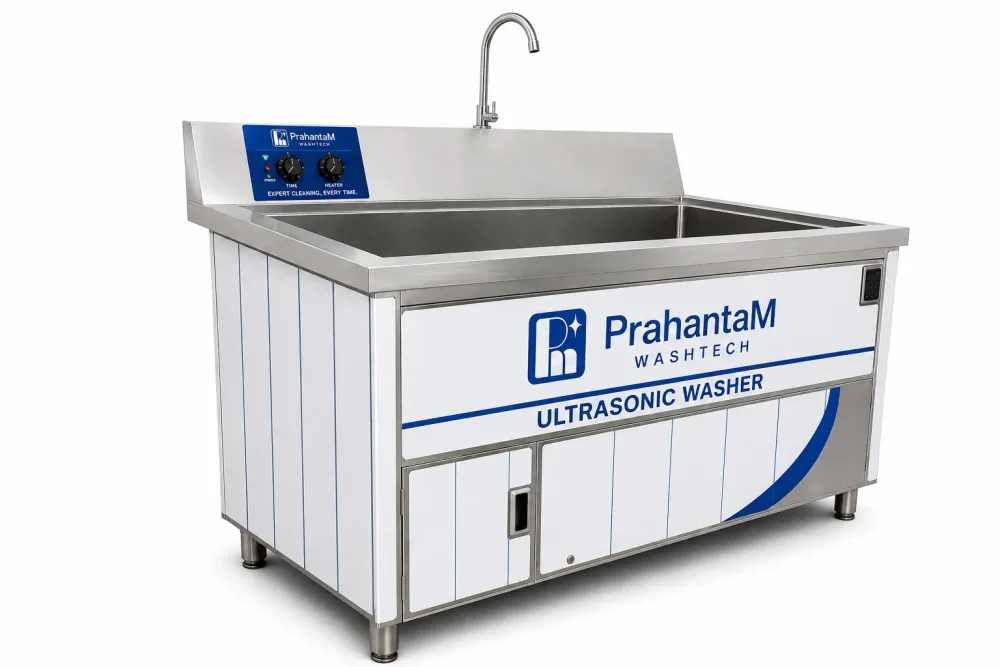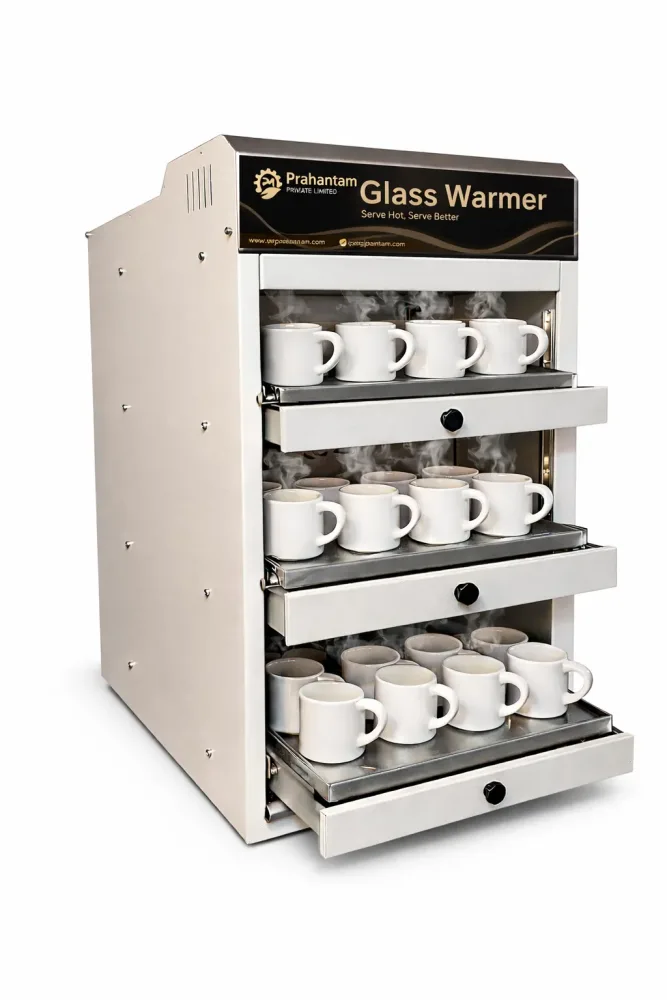
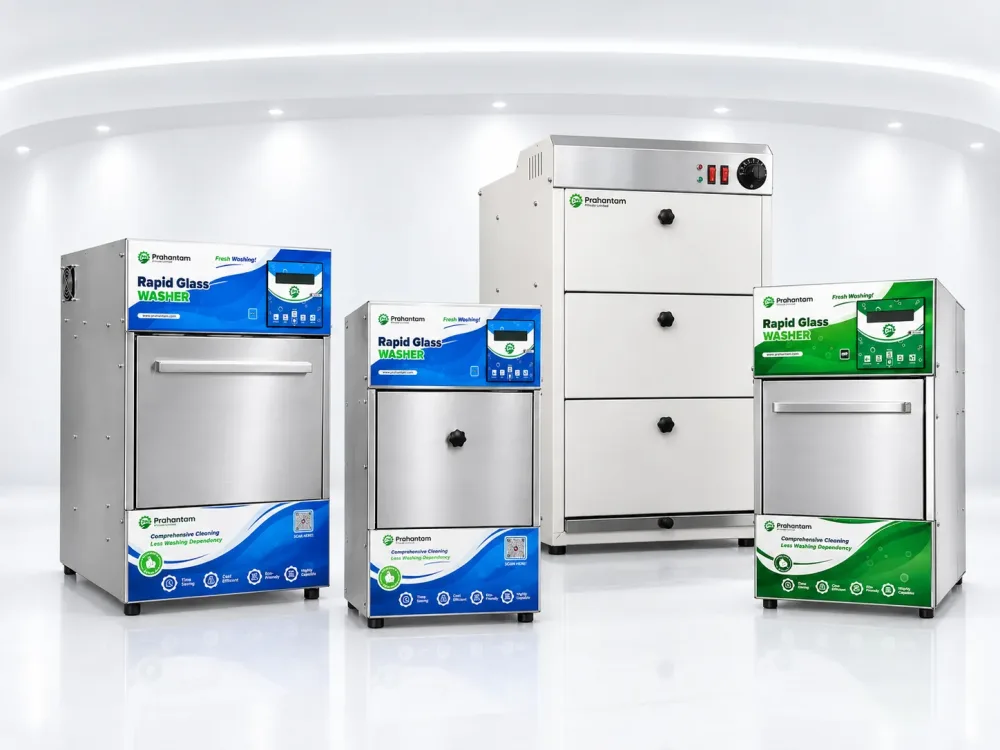
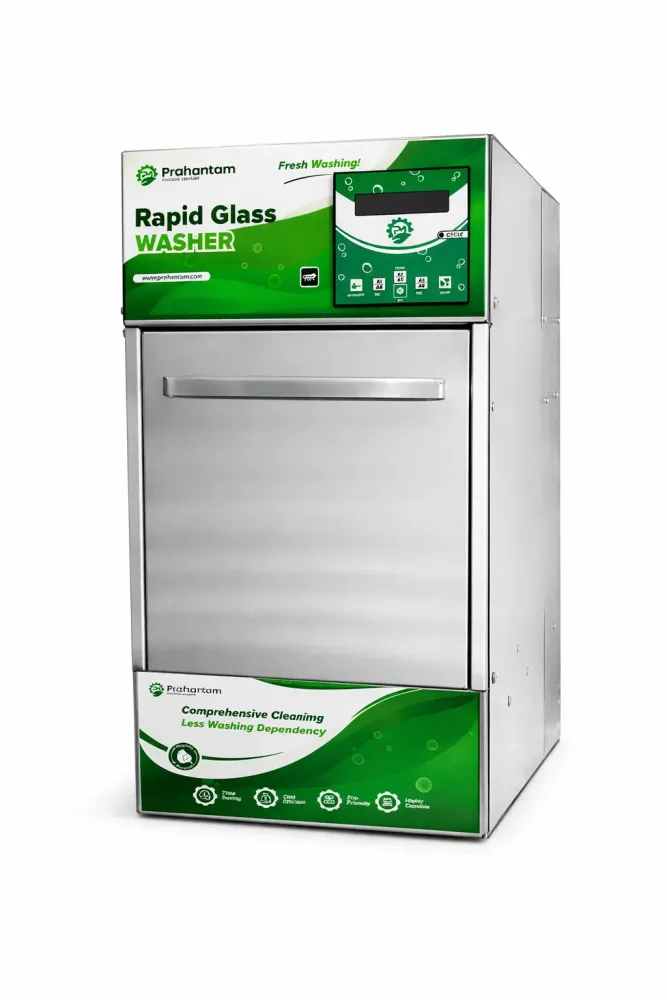
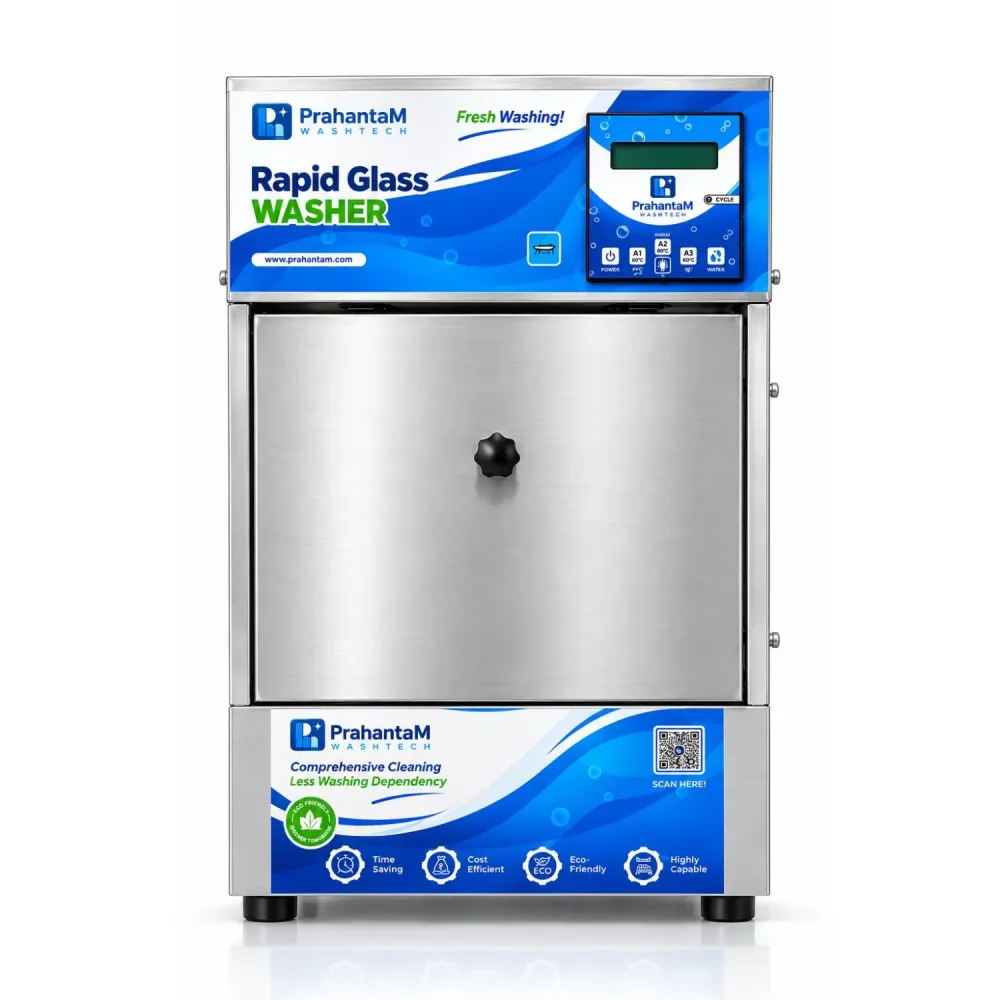
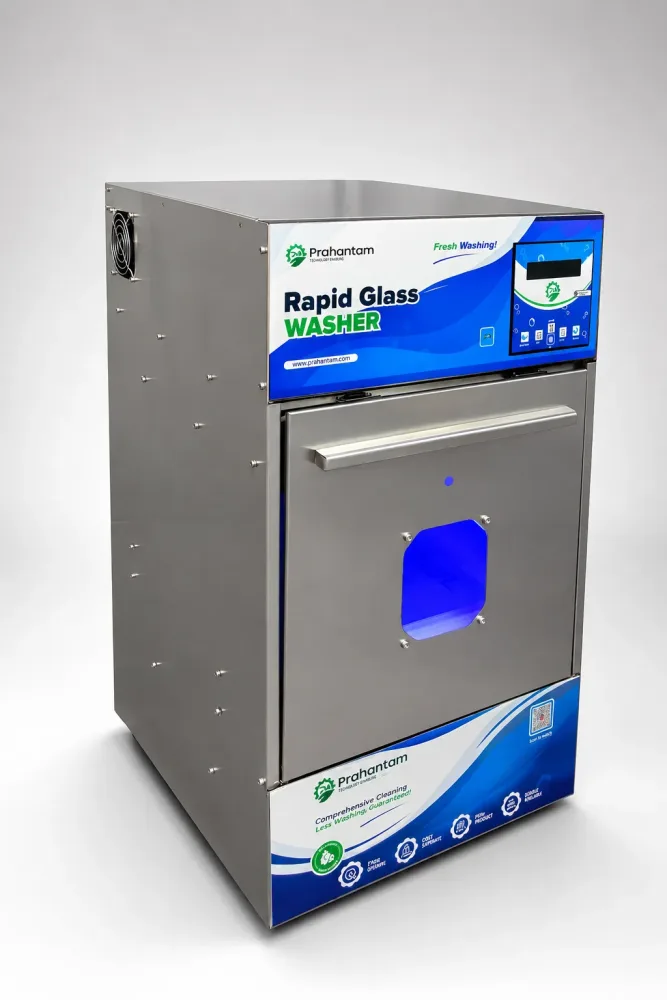
Clean, spot-free glassware is one of the fastest signals guests notice in bars, cafes and hotel dining rooms. A smeared beer mug or cloudy wine glass undermines an otherwise strong service experience. PM Washtech glass washers address that pressure with countertop commercial machines designed for Indian hospitality throughput, compact footprints and repeatable wash results across the PC02, PB02 and PH03 range.
This guide helps owners, bar managers, cafe operators and hotel F&B teams choose the right glass washing architecture before purchase. You will learn how countertop glass washers work, how to read capacity figures such as 400 to 650 glasses per hour and roughly 120 second cycles, how water use of about 2 to 3 liters per cycle affects operating cost, and which model tier matches tea stalls versus busy bars versus premium banquets. Prahantam manufactures from Ahmedabad with installation guidance and commercial support across India.
What commercial glass washers solve in beverage service
Hand washing glasses behind a bar or in a small cafe back counter consumes labor, wastes water when taps run continuously, and produces inconsistent results under rush pressure. Dedicated glass washers automate wash, rinse and sanitize steps in a enclosed chamber with fixed spray patterns sized for stemware, tumblers and mugs.
Countertop placement keeps the machine inside the service footprint rather than in a distant dish room. Bartenders and baristas can load, run a cycle and return glasses to storage or chillers without leaving the guest sightline for long periods. That proximity matters when every minute of peak service affects revenue.
The Prahantam glass washer family spans entry compact units through high-output bar machines and premium hotel models. Shared design philosophy includes commercial materials, high-pressure spray coverage and cycles tuned for glass soils from milk tea residue to beer foam and wine tannins.
Who should invest in a Prahantam glass washer range
Bars, pubs, hotel lounges, specialty coffee shops, quick-service cafes, office pantry operations and banquet support bars all benefit when glass volume is steady enough to justify automation but not always large enough for a full hood dishwasher line. If your team currently uses three-sink manual washing or domestic dishwashers that overheat delicate stems, commercial glass equipment is the appropriate upgrade.
Hotels with multiple beverage outlets often standardize on one range for training consistency while selecting different models per outlet volume. A lobby cafe might run PC02 class capacity while the main bar runs PB02 throughput and the banquet floor uses PH03 sanitizing headroom for high-cover events.
Glass washers are a poor fit when most ware are heavy plates and trays with little glass demand, unless paired with a hood or conveyor system for primary dish volume. Match equipment to the actual item mix moving through the pass during peak hours.
Understanding the PC02, PB02 and PH03 lineup
PC02 (200 to 400 glasses/hr) represents the compact countertop tier aimed at tea stalls, small cafes and office pantries where space and budget are tight. PB02 (400 to 650 glasses/hr) steps up for busy bars that need larger basket loads, 360-degree spray jets and fast turnaround during rush hours. PH03 (500 to 650 glasses/hr) targets premium hotels and banquet operations that require higher throughput, elevated sanitize temperatures up to around 65 degrees Celsius, and demanding soil handling.
All three share the countertop form factor that avoids floor trench drains in many bar builds. Differences appear in basket size, jet count, heating power, cycle programming and maximum sustainable daily output. Choosing among them is primarily a volume and sanitize policy question, not a cosmetic badge comparison.
Prahantam advisors can map your outlet type to a model before you overbuy PH03 capacity for a twenty-seat cafe or underbuy PC02 for a Friday-night pub.
How countertop glass washing works
Staff scrape or empty remaining beverage, load glasses into the basket in approved orientation, close the door and start a cycle. Wash water with detergent loosens film and organic residue. Rinse and sanitize stages follow with fresh water heated to program targets. High-pressure jets reach interior surfaces when glasses are not nested too tightly.
Typical cycle time centers near 120 seconds for standard programs in the range documentation, though heavy soil programs may run longer. Fast cycles matter at the bar because glassware turnover directly caps how many simultaneous drinks you can serve in peak windows.
Water consumption per cycle commonly falls between about 2 and 3 liters depending on model and program, which is often lower than uncontrolled manual tap washing once you account for continuous running during busy shifts.
Capacity planning: 400 to 650 glasses per hour in context
Manufacturer throughput figures such as 400 to 650 glasses per hour describe ideal cycling with correct loading and minimal downtime between cycles. Real bars achieve less when staff also serve guests, restock garnish, and handle cashless payments during the same rush.
Plan using daily glass count first, then peak hour. A property serving 3000 glasses on a wedding night but only 400 on a Tuesday still needs the wedding number to drive model choice if those events are core revenue. Divide expected peak glasses by realistic cycles per hour your team can start and unload given bar layout.
Keep spare baskets if the workflow allows unloading one basket while the next cycle runs. Basket change time often limits output more than machine seconds on the timer.
Hygiene, spotting and water quality in Indian cities
Glass wash quality depends on water hardness, detergent choice, rinse aid use and drying air flow where applicable. Hard water in many Indian municipalities leaves calcium spotting that looks like poor washing even when soil removal succeeded. Test water or consult local treatment suppliers early in the purchase process.
Elevated sanitize temperatures on premium models such as PH03 support thermal hygiene goals for hotel brand standards and banquet service. Document achieved temperatures during commissioning and include them in HACCP or internal audit folders where required.
Daily cleaning of filters, wash tank and door gaskets prevents biofilm and odor transfer to clean glasses. Bar culture sometimes treats glass washers as self-cleaning boxes; disciplined end-of-night routines separate professional operations from struggling ones.
Site requirements for countertop installation
Countertop glass washers need stable bench space rated for weight and vibration, dedicated electrical supply per model nameplate, potable water inlet and a drain connection or managed drain hose path. Verify 50 Hz supply compatibility standard in India and allow clearance for door swing and ventilation.
Bars planning new builds should place the machine within ergonomic reach of ice wells, speed rails and glass storage without creating a traffic pinch point during rush. Retrofits may need custom stainless stands or pass-through hatches from the back bar.
Chemical storage for glass wash detergent and rinse aid should follow manufacturer dilution guidance. Over-concentration etches glass over time; under-concentration leaves film.
Operating discipline behind the bar and in cafes
Train staff to load glasses at angles that let water drain and jets penetrate. Nested pint glasses may save basket space but shadow spray. Remove labels and lipstick-heavy rims with quick pre-brush when soil exceeds normal beverage film.
Match cycle selection to soil. Milk-based coffee residues need adequate wash time and temperature; light water glasses may use shorter eco programs where available. Random button pressing across shifts produces guest-visible inconsistency.
Schedule descaling when hardness demands it. Scale on heaters and nozzles reduces effective sanitize temperature and lengthens cycles silently until someone blames the glass brand.
Ownership cost: water, power, chemistry and labor
At roughly 2 to 3 liters per cycle, water cost is usually modest compared with labor saved versus manual washing. Electricity for heating dominates variable cost, especially on models with higher sanitize targets. Chemistry is small per glass but adds up across thousands of cycles monthly.
Compare total cost against continued manual labor hours and breakage rates from handling wet stacks in sinks. Commercial washers also reduce domestic machine failures caused by running inappropriate loads in wrong equipment.
Factor warranty and service responsiveness into ownership. A day without a glass washer on a festival weekend has a revenue cost far above a single service visit fee.
Comparing tiers without overbuying or underbuying
PC02 class machines reward tight spaces and predictable moderate volume. PB02 rewards high jet count and basket loads when Friday nights never stop. PH03 rewards hotels that need sanitize temperature headroom and sustained banquet output up to roughly 5000 glasses per day in specification context.
Stepping up one tier costs more upfront but prevents the chronic frustration of a queue at the washer while guests wait at the bar. Stepping down one tier saves capital but only if daily counts honestly fit the smaller basket and cycle model.
Some properties install two smaller units on different counters rather than one central machine if bar geometry forbids single-point workflow.
Why PM Washtech for glass washing in India
Prahantam focuses on commercial glass and dish washing rather than adapting unrelated industrial equipment. Range design reflects Indian beverage patterns from chai stalls to hotel wine service, with support from Ahmedabad manufacturing and field guidance.
Buyers gain access to model comparison across PC02, PB02 and PH03 without navigating unrelated product lines. Installation assistance and maintenance orientation help close the gap between brochure throughput and opening-week reality.
Local build simplifies spare parts conversations compared with import-only brands that treat India as a distant territory.
Practical buying checklist for glass washer selection
Estimate peak and average daily glass counts by outlet. Identify available counter space, power and drain paths. Test or estimate water hardness. Choose tier based on volume and sanitize policy, not price alone. Plan basket workflow and spare baskets if needed. Confirm detergent and rinse-aid supply. Request commissioning temperature checks for hotel accounts. Train bar and cafe staff on loading standards. Compare PC02, PB02 and PH03 with Prahantam advisors before final order.
Glassware is a silent brand ambassador. Investing correctly in wash equipment protects that impression every shift.
Outlet rollout strategy for multi-site operators
Chains benefit from naming standard models per outlet tier: PC02 for kiosk and pantry, PB02 for beverage-primary sites, PH03 for flagship hotel bars. Training videos filmed once on PB02 loading reduce regional variation when new outlets open monthly.
Central procurement should still allow local upgrade when a specific site exceeds model envelope after six months of POS glass count data rather than forcing underpowered standard to save small capital delta.
Breakage, chip bins and insurance of guest trust
Commercial glass washers reduce handling versus sink stacks but do not eliminate breakage from loader error. Maintain chip disposal policy and inspect baskets for cracked stems before cycle start. One broken shard circulating in wash chamber damages pump and guest trust simultaneously.
Next step: model selection, pricing and WhatsApp enquiry
Share your outlet type, daily glass estimate, bar or counter dimensions and utility details with PM Washtech. The team will recommend PC02, PB02 or PH03 fit, outline cycle and water expectations, and provide commercial pricing through WhatsApp or phone.
Spot-free glasses at speed are not a luxury in competitive hospitality. They are baseline equipment for bars, cafes and hotels that intend to grow covers without growing chaos behind the pass.